
RESEARCH & DEVELOPMENT

Innovation across species, feed,
welfare and circular economy.

Oceanloop R&D focuses on improving feed, reducing resource use, detecting animal welfare indicators, developing new species protocols and transforming by-products into value. Kiel will continue to serve as the R&D, demonstration and training center for Oceanloop RAS systems.

Discover the Technology
Superior Taste Award 2026

CIRCULAR ECONOMY

We close the loop - nothing goes to waste

Oceanloop designs farms to reduce water loss, recover nutrients and make better use of the whole animal. From organic fertilizer and biogas potential to nose-to-tail products and future collagen applications, circularity is part of the system design rather than a side story.

See the company

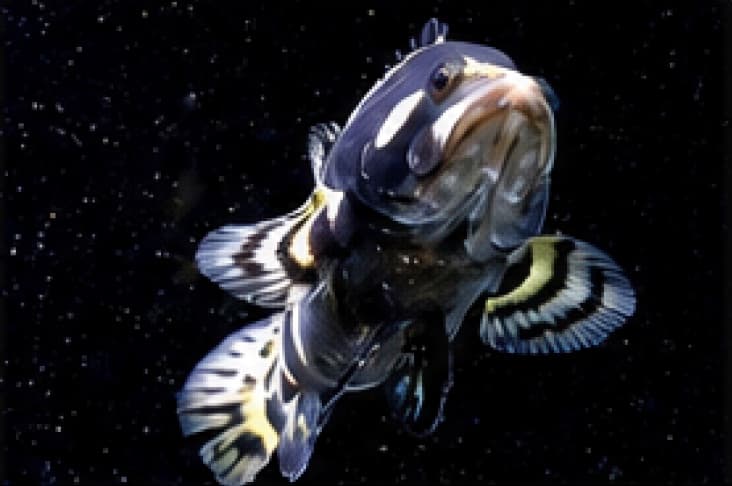
GROUPER

PROJECT LAUNCHED 2024
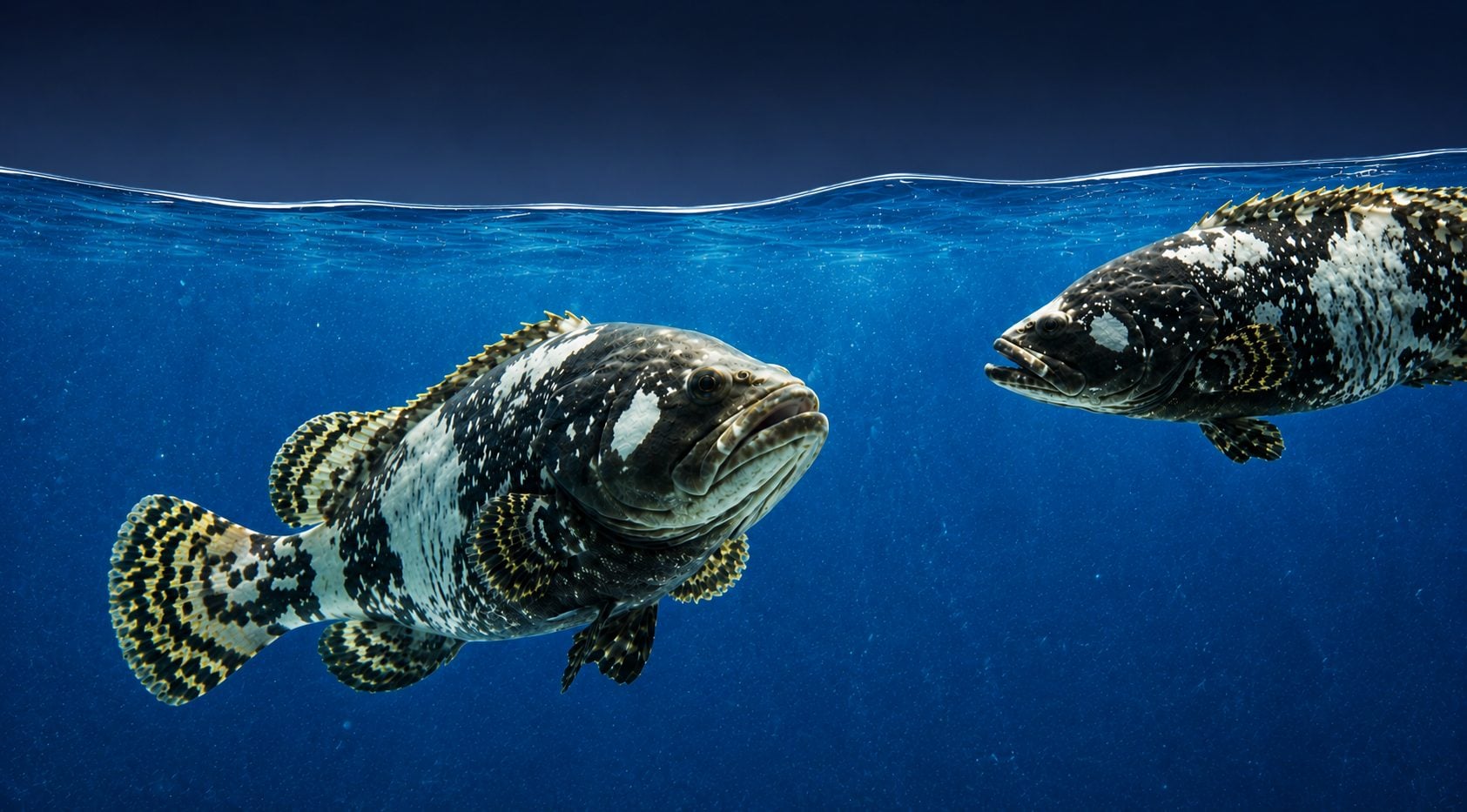
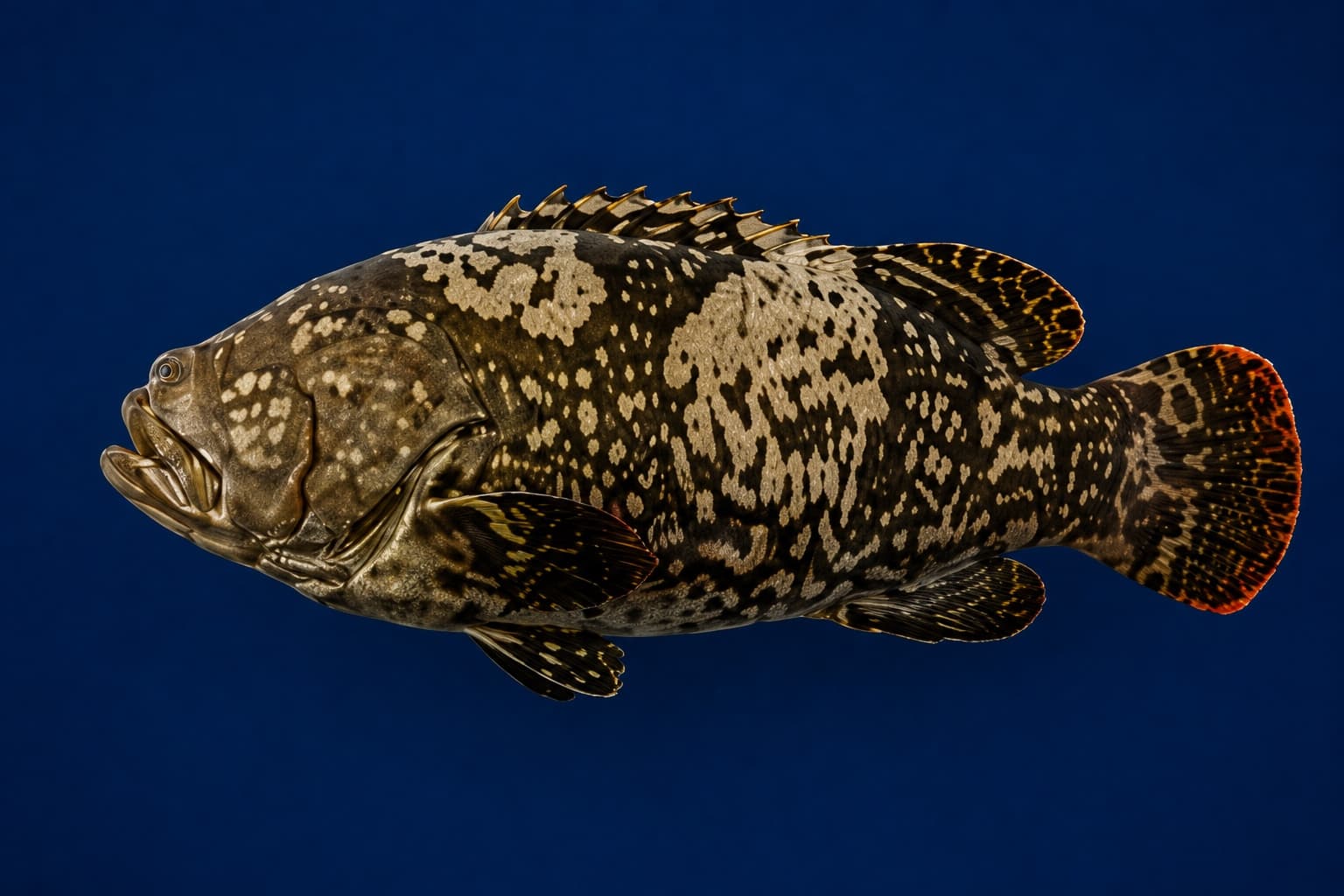
Farmed grouper

All parts of the grouper are processed and used, including:

• Filet with skin
• Belly
• Collar
• Head
• Liver

FURTHER WE INVESTIGATE
THE USE OF:

• Collagen
• Scales
• Intestines

WASTE WATER REDUCTION

Waste water can be reduced
to below 0.1% of the system's
water volume per day.

BIOGAS PRODUCTION

Used today also for biogas
production.

Renewable
energy

SEA SALT SPRAY

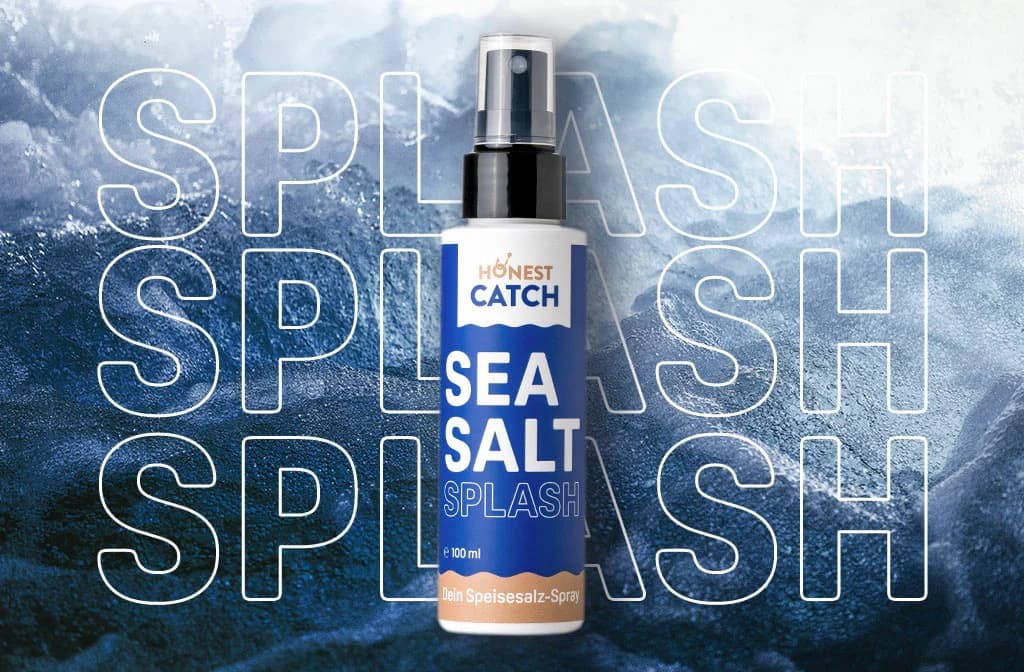
Oceanloop sea salt spray

Seawater and waste heat is used to produce a sprayable sea salt. Available through Honest Catch.

PROJECT LAUNCHED 2023

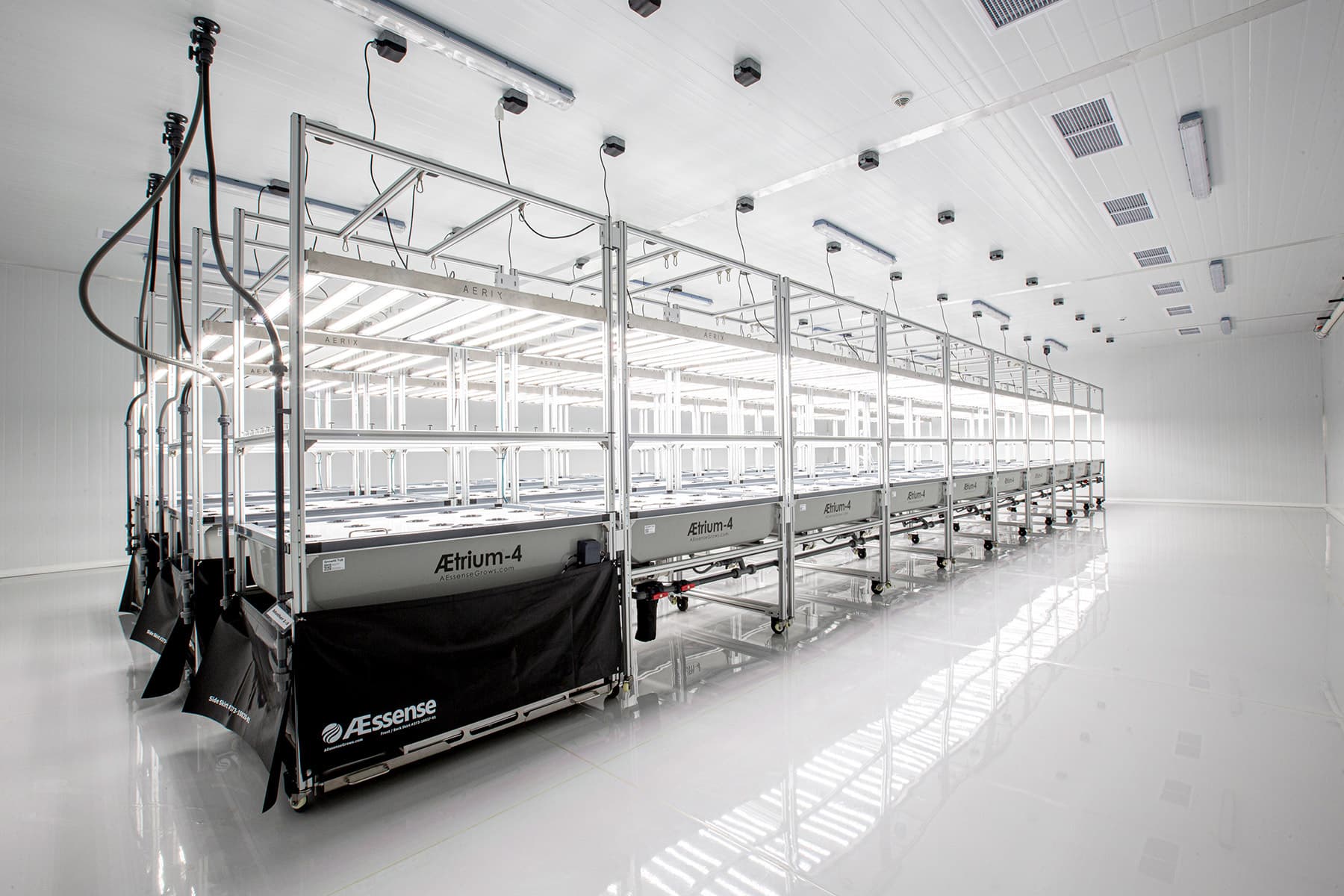
AEROPONIC SEA HERB FARMING

Aeroponic sea herb racks
R&D PROJECT

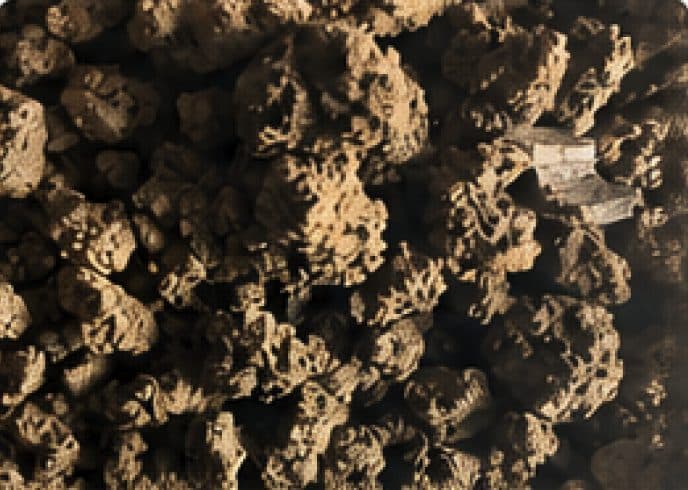
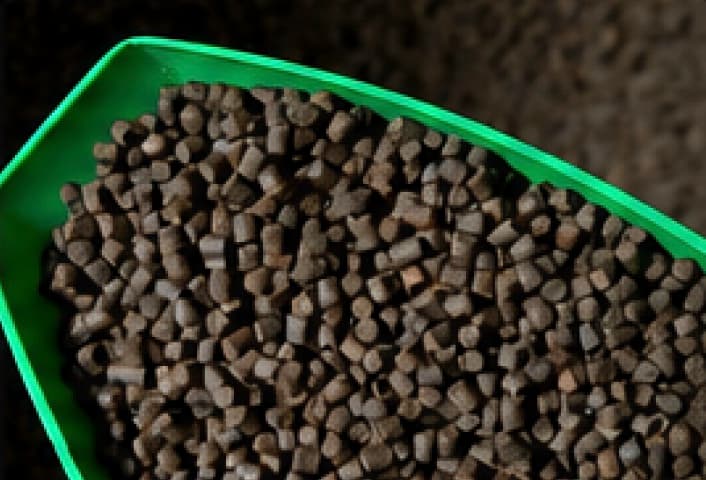
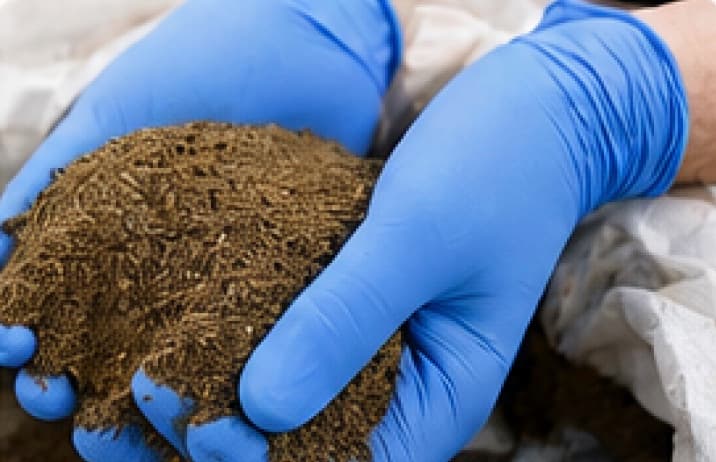
ORGANIC FERTILIZER

Organic fertilizer granulate
R&D PROJECT

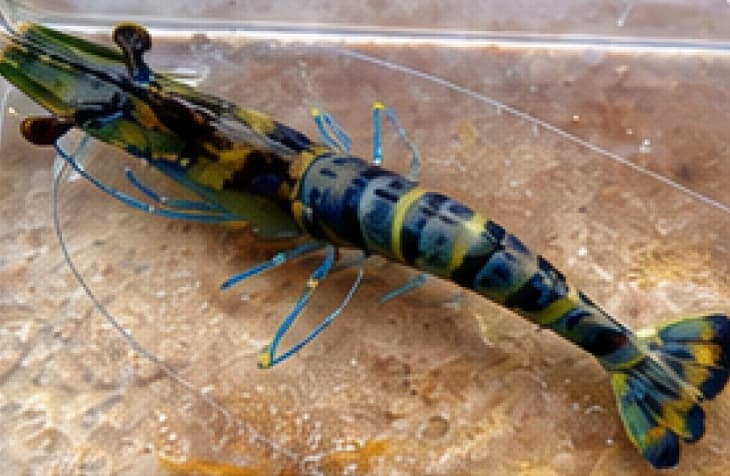
SHRIMP

Ready to cook, easy peel. "Nose-to-tail" processing — tail and other parts used for tartar and carpaccio.

PROJECT LAUNCHED 2022

BOUILLON & SOUP

Shrimp made from heads and shells —
nothing goes to waste. Available through Honest Catch.

PROJECT LAUNCHED 2023

CHITOSAN

Pharmaceutical grade


R&D PROJECT

R&D FOCUS AREAS

Where we invest in R&D.

Digitalization &
computer vision

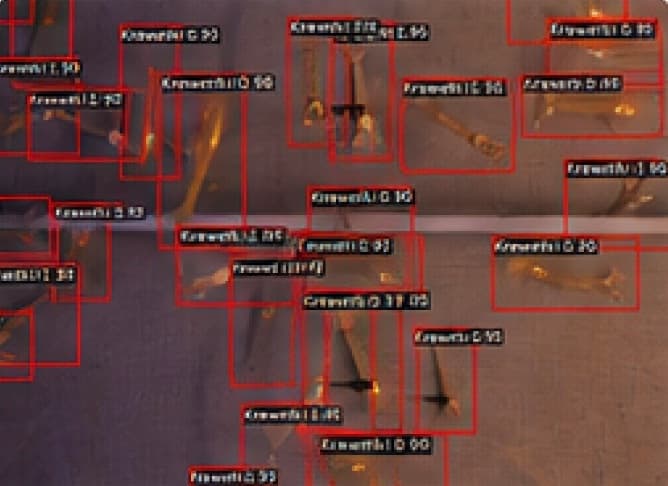
Biomass detection and welfare monitoring that feed the Co-Pilot system.

Animal welfare
research

Indicators and protocols that keep welfare measurable and central.

Feed
development

Better feed performance with lower resource use.

Circular economy &
by-products

Nutrient recovery, fertilizer, biogas and nose-to-tail value.

New species
protocols

Farming know-how for the next species on the platform.

Circular economy

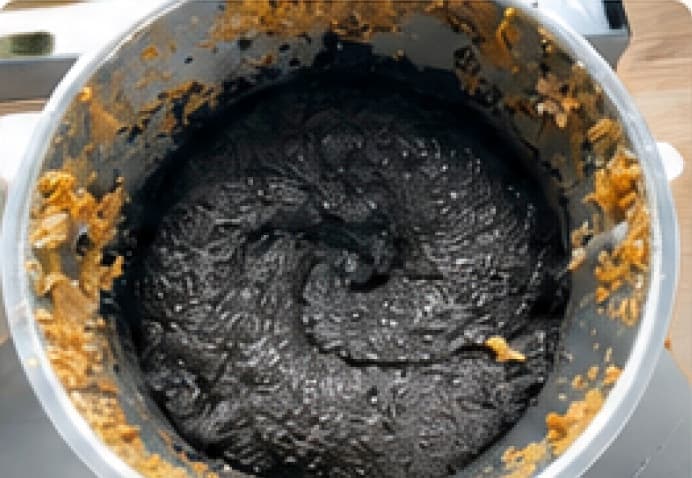
Sludge carbonization

Sludge carbonization

Organic fertiliser

Organic fertiliser

Medical grade Chitosan

Medical grade Chitosan

Digitalization

Shrimp counting

Shrimp counting

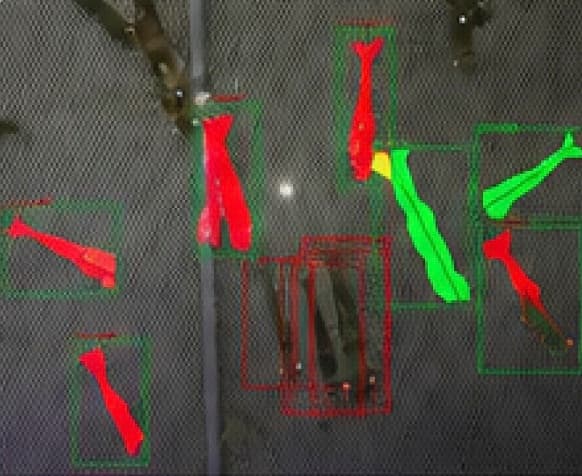
Length detection

Length detection

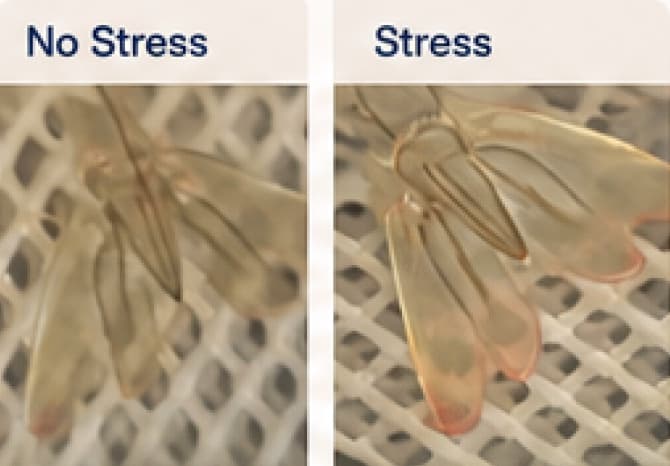
Welfare detection

Welfare detection

Feed development

Feed improvement

Feed improvement

Fish meal replacement

Fish meal replacement

Insect meal

Insect meal

New species

Giant grouper

Giant grouper

Black tiger shrimp

Black tiger shrimp

Next fish

Next fish

RESEARCH PROJECTS

Research we drive with science and industry.

Publicly funded and in-house R&D projects — from digital welfare monitoring to new species and resource-efficient recirculating systems.

June 2026 – May 2029EU · Horizon Europe

SEADEEP

Digital and energy-efficient aquaculture and fisheries

SEADEEP develops and tests digital tools and energy-efficient technologies for aquaculture and fisheries at nine demonstration sites across the North Sea and Baltic Sea regions. Oceanloop hosts the German demonstration site in Kiel, testing new approaches to water treatment, automation and data-driven production management in a giant grouper recirculating aquaculture system. The aim is to reduce energy and resource use while maintaining stable farming conditions.

Funding

European Union — Horizon Europe, Grant Agreement 101296119

Project partners

30 partners in 11 countries, coordinated by the IVL Swedish Environmental Research Institute.
Visit the project website
SEADEEPCo-funded by the European Union
March 2025 – February 2027In-house R&DBSFZ certified

Animal welfare and resource efficiency in juvenile giant grouper transport

Oceanloop is developing improved transport methods for live juvenile giant grouper. The project examines how fish size, stocking density, water quality and filtration inside transport containers affect survival, acclimatisation and subsequent production performance. Predictive models support the trials. The aim is to improve animal welfare and transport reliability while reducing water requirements, packaging volume and transport weight.

Funding

Germany — R&D tax incentive under the Forschungszulagengesetz (FZulG). R&D eligibility certified by the BSFZ (2025).

Project partners

In-house R&D project by Oceanloop Kiel.

BSFZ seal — certified R&D 2025
September 2024 – December 2026BMEL · DIP

ShrimpWiz

AI for shrimp welfare and farm management

ShrimpWiz builds on the image recognition developed in MonitorShrimp to create a digital management tool for land-based shrimp farms. The project aims to monitor and validate animal numbers, size, stocking density, mortality and visible stress indicators throughout the production cycle. Oceanloop tests the technology under commercial farming conditions, supporting practical software for welfare documentation, early intervention and feeding matched to stock requirements.

Funding

German Federal Ministry of Food and Agriculture (BMEL) — German Agricultural Innovation Partnership (DIP), Programme to Promote Innovation. Project management: BLE.

Project partners

Alfred Wegener Institute (AWI)

Visit the project website
Funded by the Federal Ministry of Food and Agriculture (BMEL) following a decision of the German BundestagProject management by the Federal Office for Agriculture and Food (BLE)
January 2024 – February 2025In-house R&DBSFZ certified

Giant grouper

Scalable farming in recirculating aquaculture systems

Oceanloop investigates how giant grouper can be farmed efficiently at scale in recirculating aquaculture systems. The project examines how stocking density, species-specific feed and water quality affect growth, feed conversion and survival. Trials under practical farming conditions support the development and validation of predictive models, providing a basis for scaling system design and planning future production.

Funding

Germany — R&D tax incentive (Forschungszulage under the FZulG), administered by the Rendsburg tax office. BSFZ seal: R&D certification (2025).

Project partners

In-house R&D project by Oceanloop Kiel.

BSFZ seal — certified R&D 2025
March 2023 – May 2026DBU

CrustaWohl

Scientific assessment of shrimp welfare

CrustaWohl investigated how husbandry conditions and farm operations affect shrimp welfare and health. Behavioural observations, physiological stress markers and water parameters form the basis of a practical welfare assessment system. Oceanloop supported the project as an associated industry partner. The aim was to identify stress early and develop and test scientific criteria for improved shrimp welfare in recirculating aquaculture systems.

Funding

German Federal Environmental Foundation (DBU) — Project 37977/01.

Project partners

Alfred Wegener Institute (AWI)

Leibniz Institute of Freshwater Ecology and Inland Fisheries (IGB)

Visit the project website
Sponsored by the German Federal Environmental Foundation (DBU)
November 2021 – April 2025BMBF · NewFoodSystems

reKultI4Food

Insect protein for sustainable aquaculture

reKultI4Food investigated the sustainable production and use of insect protein from food production side streams. Oceanloop Munich tested black soldier fly larval meal in four feeding trials under commercial farming conditions. A diet containing 10% larval meal was suitable for whiteleg shrimp without reducing production performance. The results support the development of alternative protein sources and resource-efficient feed for aquaculture.

Funding

German Federal Ministry of Education and Research (BMBF; now BMFTR) — Bioeconomy Innovation Spaces, NewFoodSystems innovation space. Project management: Projektträger Jülich (PtJ).

Project partners

FiBL Deutschland e.V.

AGRAVIS Raiffeisen AG

Evonik Operations GmbH

Hermetia Baruth GmbH

Leibniz Institute for Agricultural Engineering and Bioeconomy (ATB)

Südzucker AG / BENEO

Visit the project website
NewFoodSystemsSponsored by the Federal Ministry of Education and Research (BMBF)
January 2021 – June 2023BMEL

MonitorShrimp

Digital stock and welfare monitoring

MonitorShrimp developed and tested camera-based monitoring for land-based shrimp farming. Artificial intelligence detects animal numbers, size and visible stress indicators, while acoustic signals were also investigated. Oceanloop provided the practical farming environment for development and validation. The project established a foundation for feeding matched to stock requirements, earlier detection of stress and improved welfare documentation.

Funding

German Federal Ministry of Food and Agriculture (BMEL) — Programme to Promote Innovation, digitalisation in livestock farming. Project management: BLE.

Project partners

Alfred Wegener Institute (AWI)

Erwin Sander Elektroapparatebau GmbH

Visit the project website
Funded by the Federal Ministry of Food and Agriculture (BMEL) following a decision of the German BundestagProject management by the Federal Office for Agriculture and Food (BLE)
2020 – 2023BMBF · BaMS

OptiRAS

Resource-efficient marine aquaculture

OptiRAS investigated how giant grouper and shrimp farming can be combined with salt-tolerant plant cultivation and the use of organic residues. Plants take up nutrients from process water, while solid residues are investigated as feedstock for hydrothermal carbonisation. Trials on husbandry, growth, nutrient flows and energy use provided a basis for developing more resource-efficient marine recirculating aquaculture systems.

Funding

German Federal Ministry of Education and Research (BMBF) — Innovation Spaces Bioeconomy funding measure, Bioeconomy at Marine Sites (BaMS).

Project partners

Alfred Wegener Institute (AWI)

Erwin Sander Elektroapparatebau GmbH

KS-VTCtech GmbH

Visit the project website
Blaue Bioökonomie — OptiRASSponsored by the Federal Ministry of Education and Research (BMBF)

R&D PROJECT PARTNERSHIPS

Partner with Oceanloop in applied R&D.

Discuss a R&D-partnership